Separate one-time launch costs
Enter initial inventory, store and setup, and launch marketing as separate amounts. Include the deposits, taxes or founder pay you intend to fund in the relevant costs; the tool does not add them automatically.
 THE BUSINESS WORKBENCH Discuss my launch budget and priorities
Plan your first investment
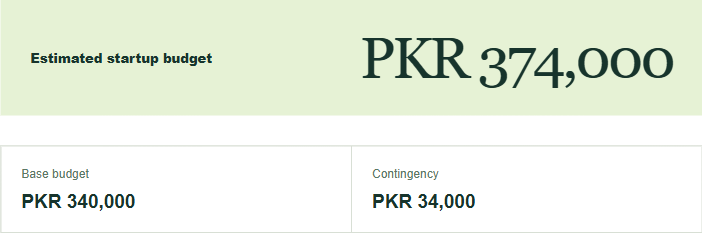
Bring your launch costs into one starting budget. See the base amount, the contingency allowance and the total funding estimate before deciding what to commit to stock, setup and operations.
Start the calculatorFree to use. Results after contact details.
IS THIS THE RIGHT TOOL?
For founders planning their first ecommerce launch or budgeting a new product business.
YOUR BUSINESS DECISION
Start with your own figures or use the example inputs. Complete the steps, then share contact details to reveal your free result.
Loading your tool…
MAKE THE INPUTS USEFUL
Enter initial inventory, store and setup, and launch marketing as separate amounts. Include the deposits, taxes or founder pay you intend to fund in the relevant costs; the tool does not add them automatically.
Use a realistic monthly operating cost and the number of months you want covered. This reserves operating cash; it does not forecast when sales will pay those costs.
Choose a contingency percentage for the whole base budget. Keep every money input in the same currency and avoid counting the same expense in two categories.
The estimated startup budget is a funding target for the costs you entered. Compare the base budget with the contingency to see how much is committed and how much is reserved. If the total exceeds your available cash, test a smaller first stock order or a narrower launch scope before reducing essential operating cover.
COMMON QUESTIONS
No. It adds your initial inventory, store and setup, launch marketing, and monthly operating cost multiplied by the runway months, then applies your contingency percentage. It does not forecast sales or a profit date. Use the break-even calculator to check the monthly sales needed to cover fixed costs.
Include it if you want to understand the full cost of launching. If you are working out how much extra cash you still need, keep amounts already paid separate so you do not count them twice.
Use a clearly identified estimate, then run the budget again when the quote arrives. Test a higher-cost scenario before committing the entire budget.
Enter the monthly operating cost and the number of months you want covered. That amount is reserved in full without deducting expected sales, and contingency applies to the whole base budget. Allow separately for any stock replenishment or payment delays not represented in those costs.
FROM PLANNING TO ACTION